



Cheap aftermarket sports exhausts are often advertised as an easy way to boost performance and turn your daily driver into something that sounds like it should be tearing up the track. However, while there’s no denying that they can deliver some impressive noises in social media clips, when you actually get one installed and have to live with it in the real world, things can soon start to look different.
We’re car enthusiasts ourselves and we absolutely understand why drivers fit aftermarket sports systems. They promise more power, more character, and more noise. But we also know from experience that a louder exhaust doesn’t always mean better performance, and that in some cases it can turn your dream set-up into a nightmare.
Sound versus substance
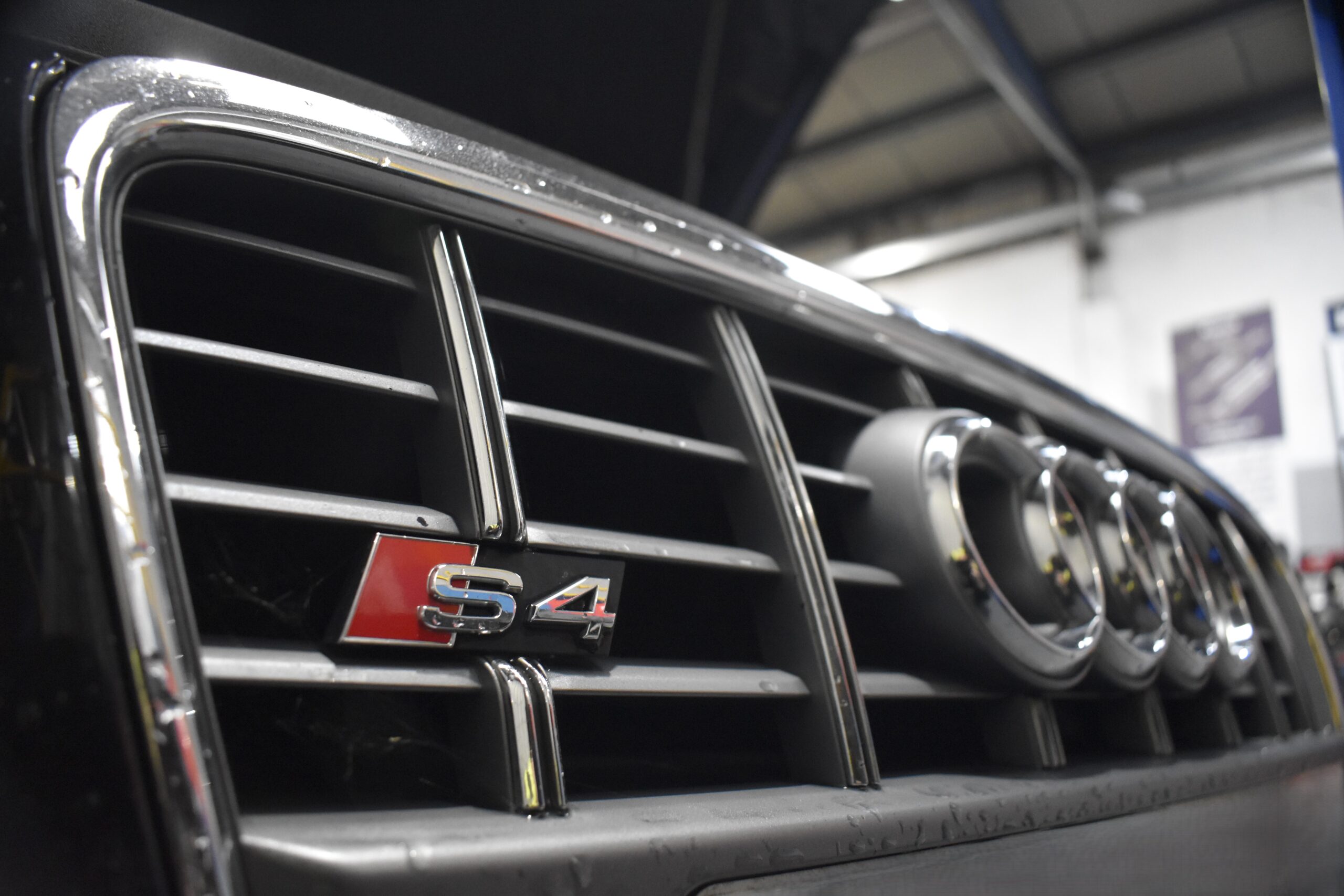
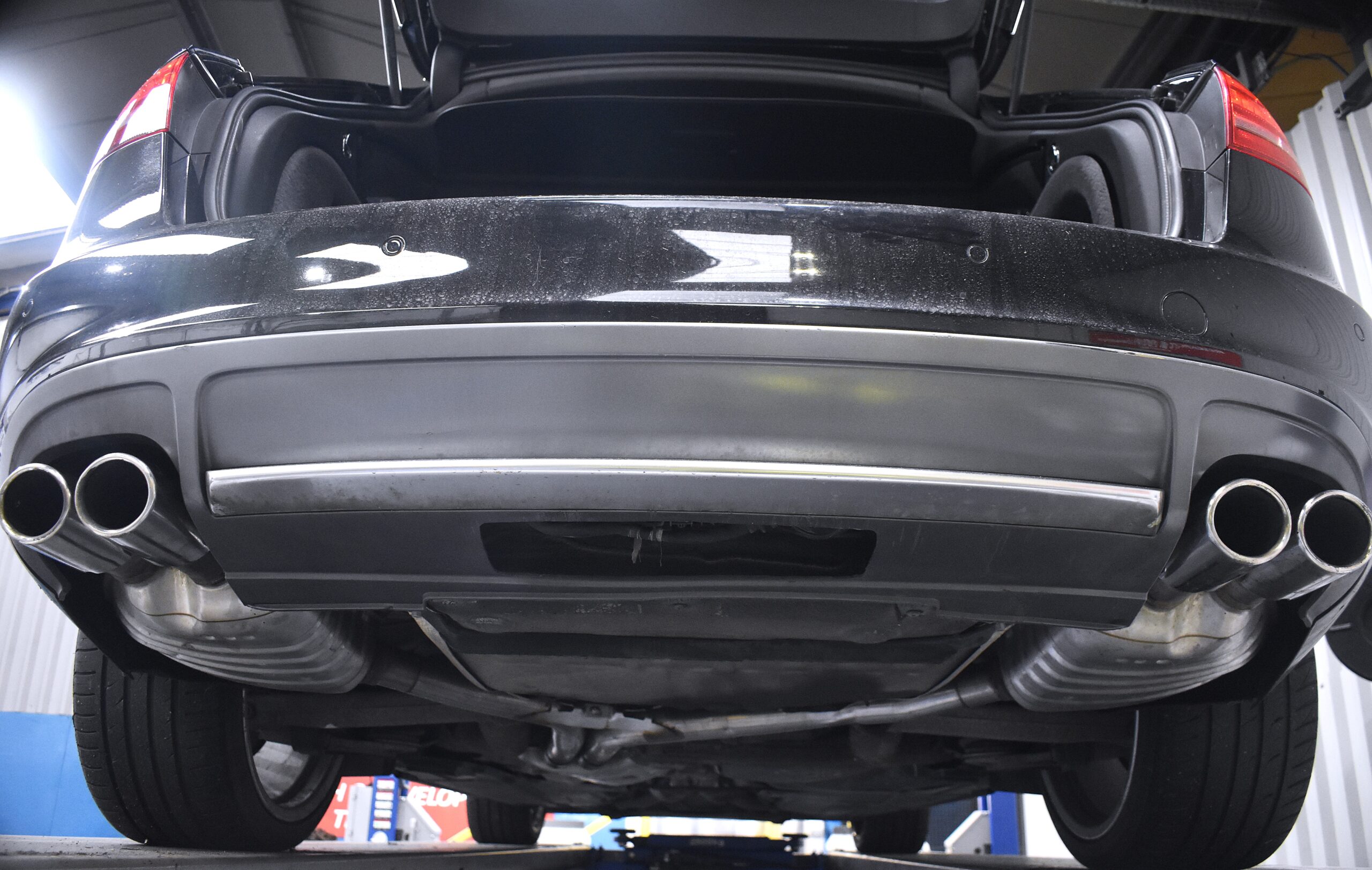
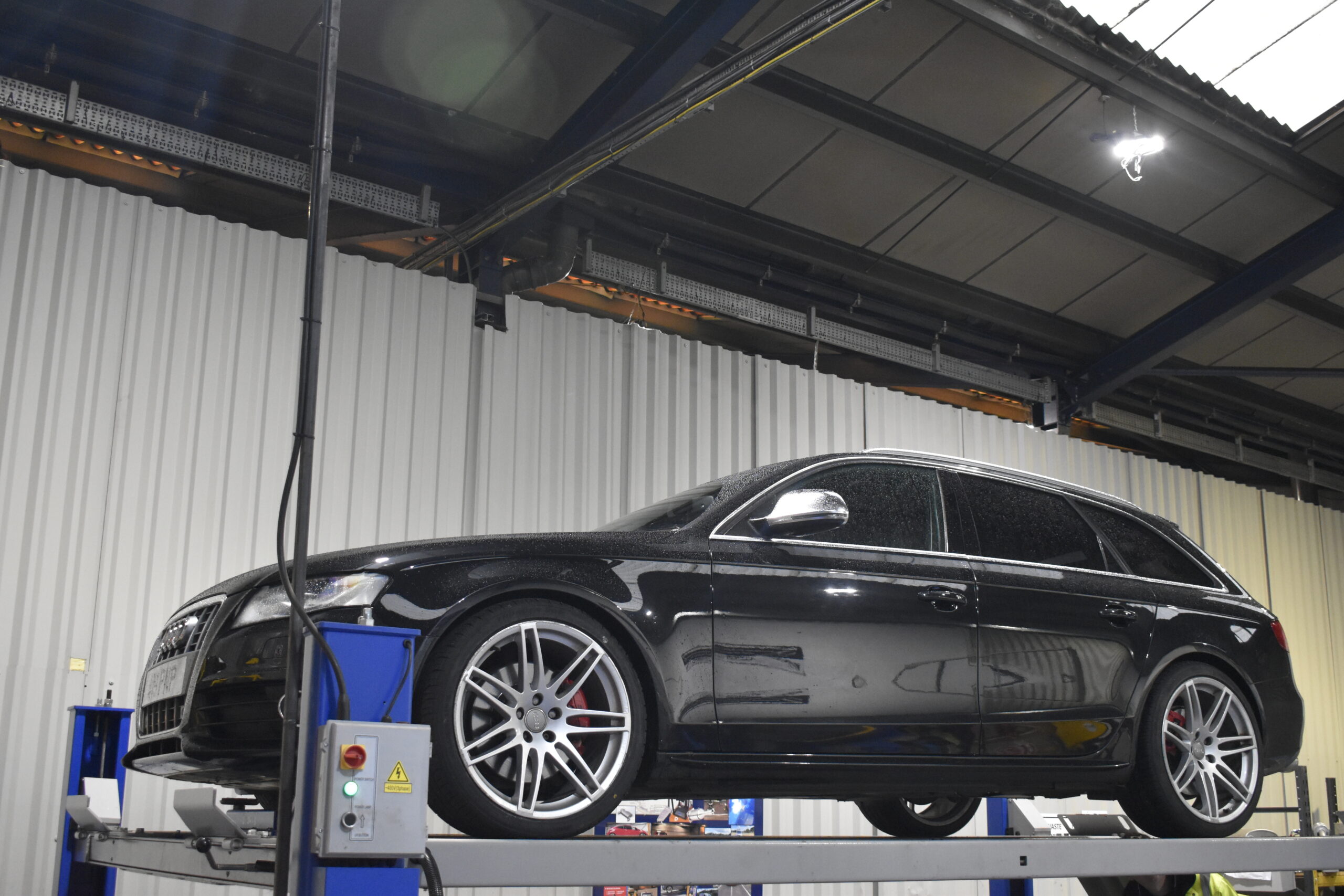
We were recently contacted by an owner of an Audi S4 who experienced this first-hand and was looking for expert advice. After fitting an aftermarket sports exhaust he’d found that his car certainly turned heads. However, this wasn’t always for the right reasons.
“When I was driving hard it wasn’t too bad, but at everyday speeds it was almost undriveable,” he explained. “Any kind of normal acceleration was absolutely deafening, and the resonance was awful. I couldn’t hear the radio and it was incredibly hard to have a conversation on hands-free. I could make it through short journeys, but it was just too loud and too uncomfortable for longer distances.”
To make things worse, within just three months of having the exhaust installed the sound-deadening material inside one of the rear boxes had blown out, coating the back of the car in debris.
“It was a mess,” he added. “In the end, I had to go back to the OE (original equipment) exhaust.”
That story isn’t unique. Sports systems can sound exciting, but they often remove the design features that make an exhaust suitable for everyday use, such as carefully engineered sound suppression, vibration damping, and tuned back-pressure. These aren’t limitations or handicaps designed to take the fun out of driving, but are a key part of how the car was meant to perform.
Designed for balance
Every OE exhaust is tuned to work perfectly with the vehicle’s engine and control systems. Engineers spend thousands of hours balancing airflow, emissions, and noise to achieve the right combination of performance, refinement, and comfort.
That’s why Klarius benchmarks every replacement exhaust directly against the OE design. This means that each and every product that comes out of our doors matches or exceeds the OE equivalent. Each system is type-approved (where applicable) for both noise and emissions, ensuring that it delivers the same driving feel the designers intended.
Ultimately, this means you get a car that performs as it should – smooth to drive, quiet when you want it to be, and completely free of any unwanted resonance or droning vibration that can make long journeys exhausting.
When passion meets practicality
If you love driving, you want a car that feels exciting, fun, and powerful. But that enjoyment fades quickly if your daily commute leaves you with a headache or draws the wrong kind of attention at every traffic light.
High-quality, OE-equivalent parts let you have the best of both worlds: performance and comfort, excitement and reliability.
At Klarius, we take pride in keeping that balance. Our engineers are car enthusiasts too, and we know that real performance isn’t just about how loud a car sounds in a perfect environment, but how well it drives in the real world.
So, next time you’re looking for an exhaust for your pride and joy, make sure it’s one designed and tested to the same standards as the original. Choose a system that’s been properly engineered, manufactured with quality materials, and tested in real-world conditions. Look for type-approval certification, signs of proper R&D investment, and a reputation for fit, finish, and reliability.
After all, the right exhaust won’t just sound great, it’ll help your car perform as its makers intended.