



Modern vehicles are evolving at a rapid pace. Stricter emissions legislation, advances in materials, and the growing integration of electronic systems are transforming the way cars are designed, built, and maintained. For drivers, this often translates into cleaner, quieter, and more efficient vehicles.
For the aftermarket, however, it presents a different kind of challenge. As vehicle systems become more complex, the definition of “quality” in replacement components is changing. What was once acceptable is no longer sufficient, and the gap between high-quality engineering and lower-grade alternatives is becoming more pronounced than ever.
The legislative push behind complexity
One of the biggest drivers of this change is emissions regulations. Standards continue to tighten, placing increasing demands on vehicle manufacturers to improve environmental performance while maintaining performance and efficiency.
To meet these requirements, exhaust and emissions systems have become significantly more advanced. Where once a system might have consisted of relatively simple pipework and a silencer, modern designs now incorporate multiple catalytic substrates, particulate filters, additional sensors, and complex internal structures designed to manage flow and emissions precisely.
This added complexity isn’t a premium feature or an optional extra, either. It is essential for compliance, and it means that any replacement component must match these characteristics exactly to ensure the vehicle continues to perform as intended.
Even when we look beyond the impact of regulations, we are seeing more and more vehicles using heavily engineered systems. For example, manufacturers such as Audi have started fitting electronic systems to enhance or modify exhaust noise, compensating for the quieter operation of more restrictive emissions setups.
For the aftermarket, this rising complexity raises the bar considerably. Components must replicate not only the physical shape of the original system, but also its internal characteristics — including flow behaviour, acoustic properties, and sensor integration points. Small deviations can have noticeable effects on drivability, emissions performance, and even warning systems.

Image 1: Each component is benchmarked against original equipment, supported by real-world testing and validated through recognised certification processes.
Material pressures and the cost of compliance
At the same time, the materials required to meet emissions standards are becoming more expensive. Catalytic converters rely on precious metals such as rhodium, the cost of which – at time of writing – has risen 88% over the past year, and a staggering 1,390% over the past decade[1]. This has a direct impact on the price of original equipment components, particularly for more complex systems.
For vehicle owners, this creates a growing affordability gap. Replacing emissions components can represent a significant expense, especially as vehicles age and move out of warranty.
In this context, high-quality aftermarket solutions play a vital role. By combining advanced engineering with efficient production processes, they can offer cost-effective alternatives that maintain compliance and performance without placing undue financial strain on the driver.
Engineering precision and the role of R&D
Meeting these demands without pushing costs out of reach of the average driver requires more than basic manufacturing capabilities. It depends on access to accurate vehicle data, advanced testing facilities, and a robust research and development process.
Modern exhaust development involves detailed analysis of back-pressure, noise output, and gas flow characteristics. Components must be validated using flow benches, durability testing, and real-world vehicle trials to ensure they perform consistently under a wide range of conditions.
Without this level of investment, it becomes increasingly difficult to produce components that meet the expectations of both drivers and regulators. As vehicles become more sensitive to variations in exhaust performance, the margin for error continues to shrink.
Incorrect geometry, poorly positioned sensor ports, or mismatched internal construction can lead to issues ranging from warning lights and reduced efficiency to outright MOT failure. In extreme cases, it can even impact engine performance or long-term durability.
This means that the idea of “good enough” is no longer viable. Quality must now encompass not just fit and finish, but also precise engineering, validated performance, and full regulatory compliance.
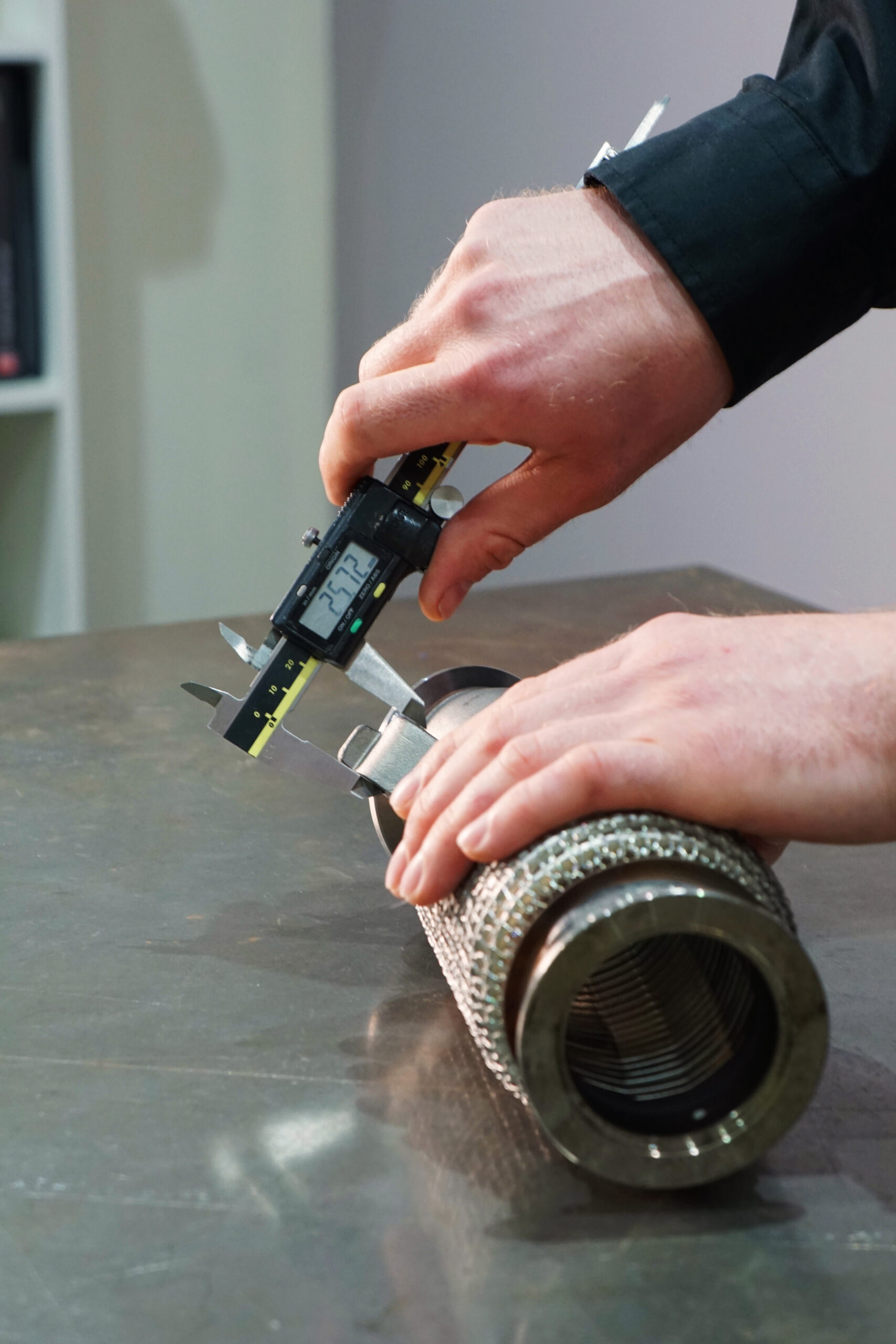
Image 2: Incorrect geometry, poorly positioned sensor ports, or mismatched internal construction can lead to issues ranging from warning lights and reduced efficiency to outright MOT failure.
Meeting the challenge
This evolving landscape is where manufacturers such as Klarius are positioned to deliver real value. By investing heavily in in-house testing, research and development, and manufacturing precision, Klarius ensures that its products are designed to meet the demands of modern vehicles.
Each component is benchmarked against original equipment, supported by real-world testing and validated through recognised certification processes. With a range covering more than 11,000 applications and a continuous pipeline of new product development, Klarius is able to respond quickly to emerging vehicle trends while maintaining consistent quality standards.
This is key, as all signs point to the fact that vehicle complexity will only continue to increase in the coming years, driven by further regulatory changes and ongoing advances in technology. For the aftermarket, this represents both a challenge and an opportunity.
The challenge lies in keeping pace with these developments, ensuring that replacement components meet the same exacting standards as original equipment. The opportunity lies in demonstrating the value of high-quality engineering, helping drivers and workshops navigate an increasingly complex automotive landscape with confidence.
As the definition of quality evolves, one thing remains clear: in today’s market, precision, testing, and expertise are irreplaceable. For those prepared to invest in them, the future of the aftermarket remains strong.
[1] https://tradingeconomics.com/commodity/rhodium