


Over the past several years, the global supply chain has shifted from being an invisible backbone of industry to one of its most visible vulnerabilities. The steady, predictable movement of goods across borders was once taken for granted, but an unprecedented run of global disruptions has exposed just how fragile that system can be.
From the widespread shutdowns caused by the COVID-19 pandemic to ongoing geopolitical tensions including the war in Ukraine and instability across the Middle East, it has become abundantly clear that supply chains are no longer as reliable as they once were. Rising freight costs, labour shortages, and shifting trade dynamics have all added further pressure, creating an environment where delays and uncertainty around deliveries have become the norm rather than the exception, with nearly half of UK businesses reporting regular supply chain disruptions [1].
For the automotive aftermarket, this instability presents a very real challenge. This is an industry built on availability. When a vehicle requires a replacement part, it is rarely a matter of convenience – it is a matter of getting that vehicle back on the road. Delays don’t just affect suppliers; they impact workshops, fleet operators, and ultimately the end customer.
In this context, supply chain reliability has become a defining factor in service quality.
Availability, uptime, and the real cost of disruption
The link between availability and uptime is direct and unavoidable. When parts are not readily available, vehicles remain off the road, workshops lose valuable ramp time, and customer satisfaction begins to erode. For garages, even a short delay can disrupt workflow, while longer waits caused by back-ordered components can leave vehicles stranded for weeks or even months.
This is where the limitations of traditional, outsourced supply chain models begin to show. Many aftermarket businesses rely heavily on third-party logistics providers, global freight networks, and complex distribution chains that stretch across multiple regions. While these systems can be efficient under stable conditions, they also introduce layers of dependency that are difficult to control.
When disruption occurs — whether due to port congestion, geopolitical conflict, or sudden cost increases — businesses operating within these networks often have limited visibility and even less influence over outcomes. Delays can cascade through the system, costs can fluctuate rapidly, and response times can slow at precisely the moment they need to be fastest.
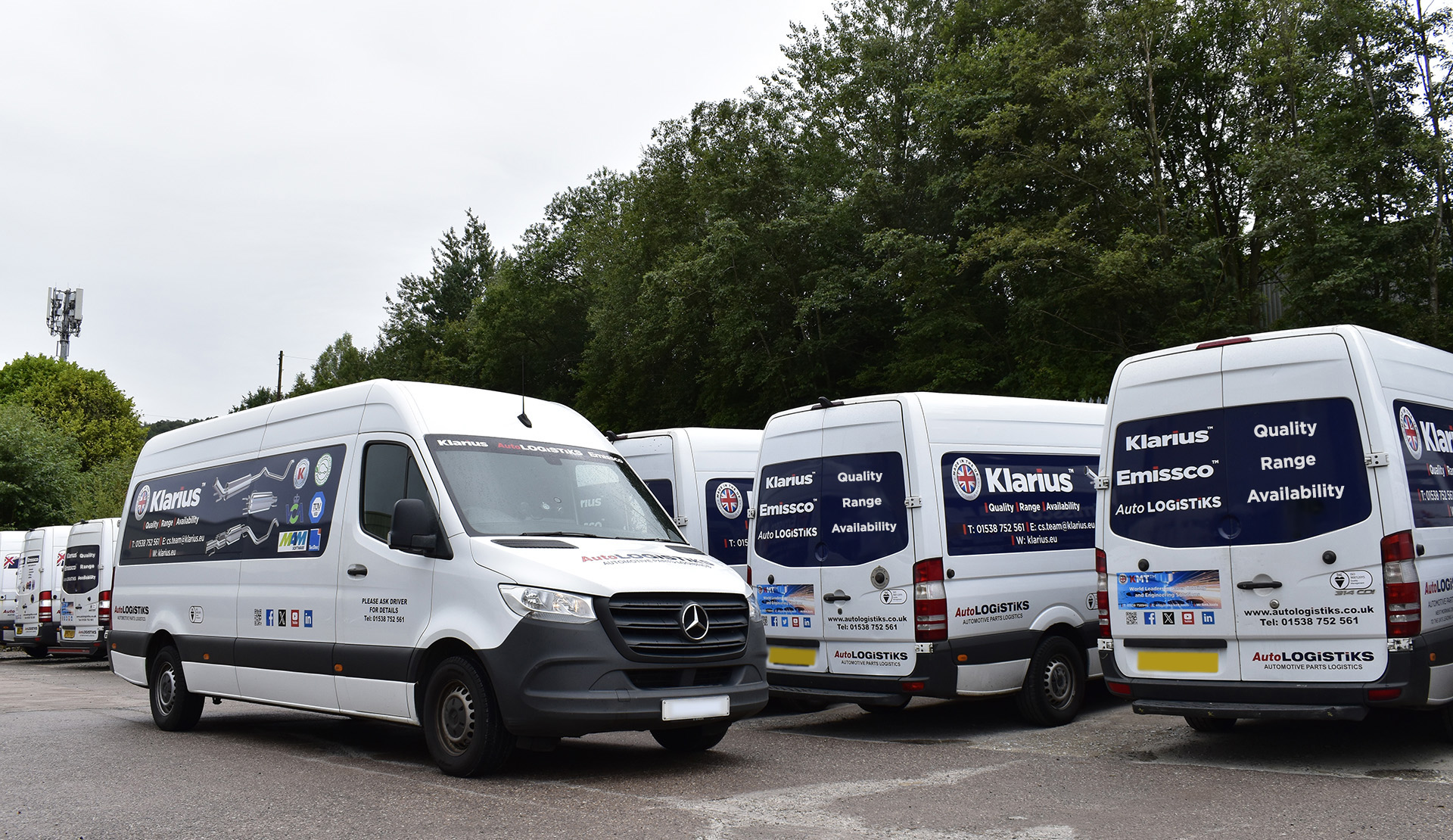
Image 1: By operating its own in-house logistics fleet, Klarius ensures reliable, disruption-resistant delivery and consistent product availability, giving customers confidence even in challenging market conditions.
Taking control: the case for in-house supply chains
Against this backdrop, a different approach is gaining importance: in-house supply chain ownership. By bringing logistics operations under direct control, manufacturers can reduce reliance on external networks and create a more resilient, more responsive system.
The benefits of this approach are clear to see. Full control over logistics allows for greater visibility at every stage of the supply chain, making it easier to anticipate potential disruptions and respond proactively rather than reactively. At the same time, it also enables more consistent delivery performance, as businesses are no longer entirely dependent on third-party availability or scheduling constraints.
Just as importantly, in-house operations provide flexibility. When demand shifts or unexpected challenges arise, companies with direct control over their logistics can adapt more quickly – rerouting deliveries, prioritising key products, or adjusting stock levels to maintain service continuity.
In a market where availability is critical, this ability to respond in real time can make a significant difference.
For Klarius, this philosophy underpins the way the business operates. By maintaining its own in-house logistics fleet, Klarius retains direct control over the movement and distribution of its products. This reduces exposure to external disruption and ensures that supply remains consistent, even when wider networks are under strain.
This means that products are available when they are needed, delivery performance remains predictable, and customers can have confidence that they are working with a partner capable of maintaining service levels in challenging conditions.
Reliability as a competitive advantage
This reliability is increasingly becoming a key differentiator within the aftermarket. As uncertainty grows, customers are placing greater value on consistency and dependability. While cost and quality will always remain an important factor, it is no longer the only consideration. The ability to deliver the right part, at the right time, is now central to supplier selection.
In this sense, supply chain ownership is shifting from an operational choice to a strategic advantage. Businesses that invest in control and resilience are better positioned not only to withstand disruption, but to continue supporting their customers when others cannot.
Looking ahead, there is little indication that global supply chain pressures will ease in the near term. Geopolitical uncertainty, evolving trade relationships, and ongoing economic pressures are likely to remain defining features of the market. For the aftermarket, this reinforces the importance of adaptability and forward planning.
It also highlights the need for suppliers who can offer more than just product range. Reliability, responsiveness, and visibility are becoming just as important as price or specification. Customers need to know that their supply chain will hold up under pressure.
For manufacturers such as Klarius, this is an area of clear focus. By combining in-house logistics with strong manufacturing capability and ongoing investment in operations, the company is able to provide a level of service that aligns with the realities of today’s market.
In an industry where uptime matters, that assurance carries real value.
As the automotive landscape continues to evolve, so too will the expectations placed on suppliers. Those that can offer stability in uncertain conditions will stand out, building stronger relationships and long-term trust with their customers.